The Small Apartment Living Guide
Everything that makes a small apartment easier to live in, in one place: storage, furniture, light, noise, air, cleaning, work and renter-safe upgrades.
In this article
Start with how you use the space
A small apartment works when every area has a job. Before buying anything, list what actually happens at home in a normal week: sleeping, cooking, working, exercising, having friends over, drying laundry. Then give each activity a spot, even if two of them share one.
Three questions settle most layout decisions:
- What do you do every day? Those things get the best light and the easiest access.
- What do you do once a week or less? Those things can fold away, stack or live on a high shelf.
- What is only here because it always has been? Small homes cannot carry passengers. Sell, donate or store what you do not use.
Measure the apartment and sketch it, including door swings, radiators and windows. A sketch stops you buying a sofa that blocks a cupboard.
Storage: use the walls and the dead space
Floor area is fixed. Wall height, the space under the bed and the backs of doors are usually empty. The fastest gains come from going vertical and from giving small items a container so they stop spreading across surfaces.
Our 21 small apartment storage ideas covers every room, and how to organize a tiny apartment kitchen goes deep on the hardest room of all.
Furniture: fewer, better-fitting pieces
Oversized furniture is the most common reason a small room feels cramped. Choose pieces to fit the room and the route into it, prefer ones that do two jobs, and keep walkways clear. How to choose furniture for a small apartment explains what to measure and which features earn their floor space.
Light and the feeling of space
How large a room feels depends heavily on light, sight lines and clutter, all of which you can change without moving a wall. See how to make a small apartment feel bigger for the changes that make the most difference.
Noise and air
Shared walls and limited ventilation are part of apartment life, but both can be improved by a renter:
- How to reduce noise in an apartment separates what really blocks sound from what only looks as if it should.
- How to improve air quality in a small apartment starts with ventilation and moisture before any gadget.
Cleaning
Small homes get messy fast and clean fast. A short daily reset beats a long weekend clean, and you need fewer tools than you think. Read how to keep a small apartment clean.
Working from home
A desk does not need its own room, but it does need the right height, decent light and a way to disappear at the end of the day. How to build a home office in a small bedroom covers layout and ergonomics.
Smart home, without rewiring
Plug-in and stick-on devices can automate lights, cut standby power and add security with nothing to undo when you move out. Start with smart home setup for a first apartment.
Upgrades that keep your deposit safe
Most of what makes a rental feel like home is reversible: lighting, hardware, textiles, removable finishes and freestanding storage. 25 ways to improve your rental without losing your deposit lists them, with what to check in your lease first.
Running costs
Heating, cooling and appliances are where the money goes. How to reduce electricity bills in an apartment focuses on changes a renter can make.
Moving in?
If you are furnishing from scratch, work through the apartment essentials checklist so you buy the basics once and skip the things you will not use.
Frequently asked questions
What is the first thing to do in a small apartment?
Decide what each area is for and remove what you do not use. Storage products and furniture work far better once you know what needs a home.
How do I add storage if I cannot drill into the walls?
Use freestanding shelving, tension rods, over-the-door organizers, under-bed boxes and adhesive hooks rated for the weight. All of them come out without a mark when used as directed.
Is a studio apartment harder to organize than a one-bedroom?
A studio asks one room to do several jobs, so zoning matters more. A rug, a bookcase or a curtain can mark out sleeping, living and working areas without building anything.
Related articles
Apartment Living
How to Make a Small Apartment Feel Bigger
You cannot add square footage, but you can change how much of it you see and use. These are the changes that make the biggest difference, in order.
Apartment Living
The First Apartment Essentials Checklist
What you need on day one, what can wait a month and what you can skip. Tick items off as you go, or print the list and take it shopping.
Home Comfort
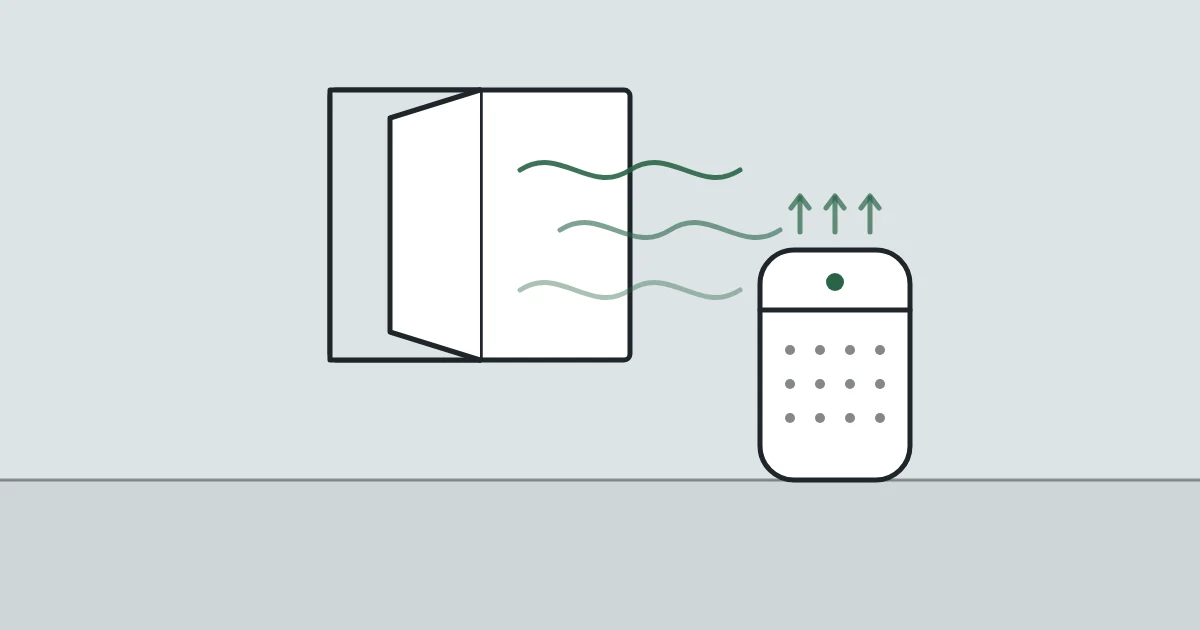
How to Improve Air Quality in a Small Apartment
Stuffy, damp or dusty air has causes you can fix. Start with the source and with ventilation; an air purifier comes third, and only helps if it is the right size for the room.